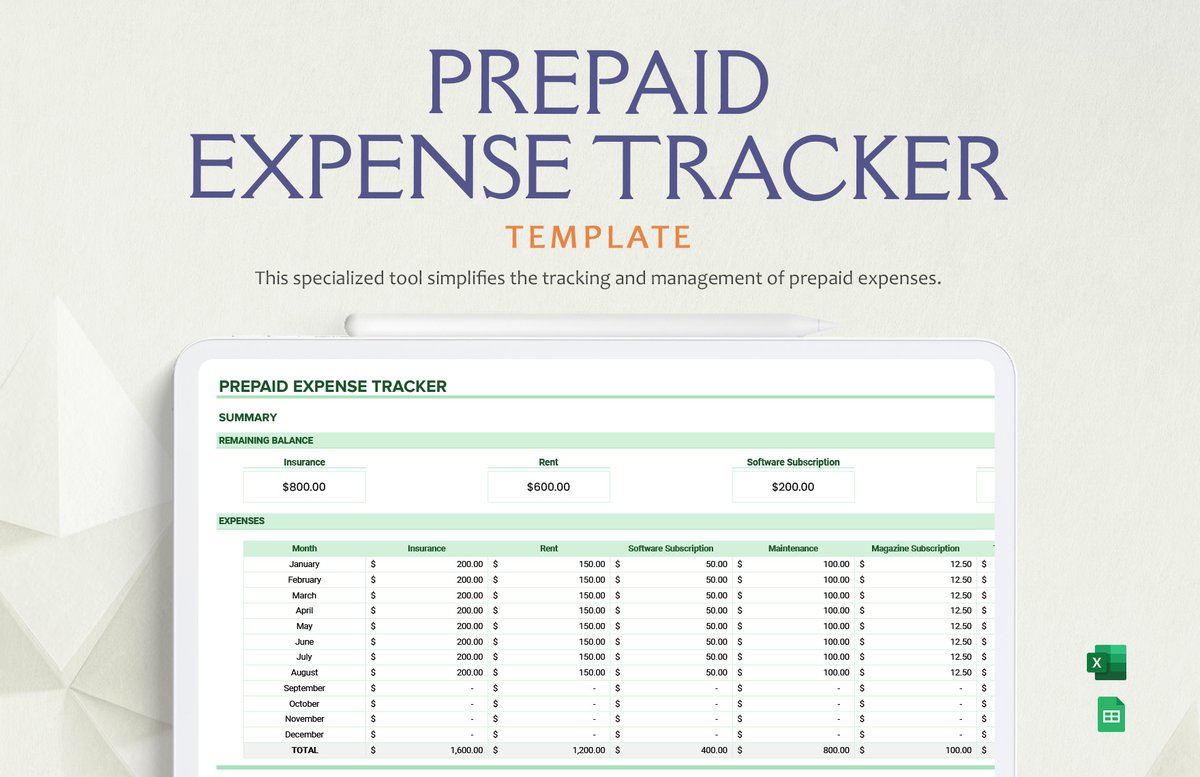
For many digital natives, the world is their office, their classroom, and their playground. The allure of remote work, global travel, and experiencing diverse cultures is powerful. But behind the Instagram-worthy sunsets and bustling coworking spaces lies a crucial, often overlooked reality: the unique financial challenges of a location-independent lifestyle. This is where Budgeting & Expense Tracking for Digital Natives becomes not just a helpful tool, but an essential survival skill.
Traditional budgeting advice, designed for stationary lives with stable incomes and single currencies, often falls flat for those navigating variable income streams, multi-currency transactions, and ever-changing cost-of-living landscapes. You’re not just managing money; you’re managing an economic microcosm that shifts with every border crossing.
At a Glance: Your Digital Nomad Finance Toolkit
- The Challenge: Variable income, multi-currency expenses, hidden fees (3-5% of purchases), and traditional apps that fall short.
- The Solution: Specialized tools and strategies tailored for location-independent life.
- Core Apps: Combine a multi-currency bank (Wise, Revolut) with a dedicated tracker (Trail Wallet, TravelSpend, Spendee, YNAB).
- Key Strategies: Choose a base currency, decide on manual vs. automatic tracking, create location-based budgets, account for hidden fees, and set up tax-ready categories.
- Avoid Pitfalls: Don't forget transaction fees, use outdated exchange rates, mix currencies, or skip small purchases.
- Your Goal: Build a natural, sustainable system that provides awareness and optimizes your spending for long-term travel.
The Unique Financial Maze of Location-Independent Life
Life as a digital native often means swapping the predictable 9-to-5 for dynamic projects, diverse clients, and the freedom to work from anywhere. This freedom, however, introduces a complex financial ecosystem. You might be earning in USD, paying rent in Euros, buying groceries in Thai Baht, and occasionally needing to pay a contractor in GBP. The average location-independent worker juggles 3-5 different currencies annually, each with its own exchange rate fluctuations, transfer fees, and often, hidden charges.
These hidden costs – foreign transaction fees, ATM withdrawal charges, and unfavorable exchange rates – can quietly erode your hard-earned money, adding anywhere from 3-5% to every single purchase. Over a year, that percentage compounds into a significant sum that could have funded another week of travel or a vital business investment.
Traditional budget apps, while great for single-currency, stable-location users, often lack the essential features digital nomads need: real-time multi-currency conversion, robust offline functionality, and the ability to set dynamic, location-specific budgets. You need a system that adapts as fluidly as your lifestyle.
Building Your Multi-Currency Command Center: Essential Apps
The good news is that a new generation of financial tools has emerged, purpose-built for the complexities of global living. The best approach typically involves combining a multi-currency banking solution with a dedicated expense tracker.
Multi-Currency Banking & Digital Wallets: Your Global Cash Flow Hub
These are the backbone of your international finances, allowing you to hold, send, and spend in multiple currencies with minimal fees.
- Wise (formerly TransferWise): More than just a money transfer service, Wise offers a full multi-currency account. You can hold balances in 50+ currencies, get local bank details for several major currencies (USD, EUR, GBP, AUD, NZD, CAD), and use their debit card for global purchases and ATM withdrawals at the real mid-market exchange rate. Its integrated budgeting tools allow you to set monthly limits across various currencies.
- Revolut: A digital bank with robust budgeting features. Revolut excels at automatic expense categorization, providing monthly budget alerts and detailed spending analytics. Its premium tiers ($9.99-$45 monthly) offer additional travel benefits like higher fee-free ATM withdrawals and travel insurance. Primarily popular in Europe, it's expanding globally.
- N26: Another strong option for Europe-based nomads, N26 provides basic budget tracking with transaction categorization and spending insights. It's user-friendly for managing everyday finances within the Eurozone.
Dedicated Expense Tracking Apps: Knowing Where Every Dollar Goes
While digital banks handle the money, these apps are specifically designed to log and categorize your spending, often across multiple currencies.
- Trail Wallet (iOS): A favorite for many, this manual expense tracking app is incredibly simple and effective. It supports over 200 currencies with automatic exchange rate updates (when online) and, crucially, works completely offline. With a one-time purchase ($4.99), it offers spending breakdowns by category/location and visual budget alerts. Ideal for control-oriented nomads on shorter trips (1-6 months) or those who prefer a hands-on approach.
- TravelSpend (iOS/Android): Combines manual tracking with advanced features for extended travel and groups. It boasts real-time multi-currency tracking, full offline functionality, integrated cost-splitting (great for couples or friends), GPS location tagging, detailed analytics, trip comparison, and budget forecasting. Particularly useful for constantly moving travelers or those sharing expenses.
- Spendee (iOS/Android): Offers automated bank integration, connecting to your bank accounts, digital wallets, and even crypto wallets to track transactions automatically across multiple currencies. It provides AI-suggested categories, shared wallets, custom budget alerts, and recurring expense detection. It has free and premium tiers ($1.99-$4.99 monthly), but remember it needs internet for bank syncing and won't catch cash transactions unless manually entered.
- YNAB (You Need A Budget): This isn't just an expense tracker; it's a comprehensive zero-based budgeting system. The philosophy is to give every dollar a "job" before you spend it. While it doesn't have native multi-currency support, many nomads manage by creating separate budgets, manually converting, or using third-party integrations. It's powerful for long-term financial planning, debt management, and savings, but comes with a steeper learning curve and a subscription ($14.99 monthly or $109 annually).
- HoneyDue (iOS/Android): Specifically designed for digital nomad couples. It allows shared finances, real-time expense tracking, joint budgets, and easy bill splitting, making it perfect for managing money with a partner on the road.
General Budgeting & Financial Overview Apps (with multi-currency considerations)
These apps can provide broader financial insights, though their multi-currency features might be less robust than specialized tools.
- Mint (iOS/Android): A well-known app that connects bank accounts, credit cards, and other financial accounts for automatic spending/income tracking and transaction categorization. It provides personalized financial advice, bill payment alerts, and credit score monitoring. While it doesn't handle multi-currency natively, it can aggregate accounts in different currencies, letting you see an overall picture (though conversions are usually static to your primary currency).
- PocketGuard (iOS/Android): Offers a sleek interface to track expenses, set budgets, and monitor financial goals to avoid overspending. Similar to Mint, its multi-currency capabilities are limited, often converting everything to your primary currency for a consolidated view.
- CLEO (iOS/Android): A chatbot-based app that offers personalized budgeting via a conversational interface. It connects bank accounts, tracks spending by category, offers savings tips, helps set goals, and manages bills. It can be a fun way to interact with your finances but is less ideal for complex multi-currency tracking.
- XE Currency (iOS/Android): Not a budgeting app, but an indispensable tool for every nomad. It's a currency calculator with live exchange rates for every world currency, historical rate charts, and alerts for specific exchange rates. Use it to monitor up to 10 currencies simultaneously, ensuring you’re always aware of current market rates.
Setting Up Your Digital Nomad Budget Tracking System
Choosing the right apps is only half the battle. The real magic happens when you implement a system tailored to your nomadic flow.
1. Choose Your Base Currency
This is your anchor. Select the currency in which you earn most of your income, pay taxes, or have your primary financial obligations (e.g., USD for US nomads, EUR for EU citizens). All financial tracking and reporting should ultimately reconcile to this currency. This simplifies tax season and gives you a consistent benchmark for your overall financial health, no matter where you are.
2. Manual, Automatic, or Hybrid? Pick Your Tracking Style
How you log your expenses will dictate your daily routine and the apps you choose.
- Manual Tracking (e.g., Trail Wallet, TravelSpend):
- Pros: Complete control, works offline (crucial for remote areas), increases spending awareness by forcing daily interaction.
- Cons: Requires daily discipline (2-3 minutes/evening), prone to human error if you forget to log.
- Automatic Tracking (e.g., Spendee, Revolut, Wise):
- Pros: Syncs bank/card transactions automatically, less data entry, often categorizes for you.
- Cons: Requires internet connectivity for syncing, often misses cash purchases, less direct interaction with your spending habits.
- Hybrid Approach: The sweet spot for many. Use automatic tracking for the 70-80% of purchases made with cards and manually enter any cash transactions. This balances convenience with accuracy.
3. Create Location-Based Budget Categories
The cost of living fluctuates wildly across the globe. What’s a comfortable food budget in Vietnam might be unsustainable in Switzerland.
- Identify Core Categories: Accommodation, Food & Dining, Coworking, Transportation, Entertainment, Health, Visas, Flights, etc.
- Set Flexible Limits: Rather than one global budget, create separate limits for each country or even major city you plan to visit. If you're currently in Southeast Asia, your budget for "Food & Dining" might be $30/day. If you move to Western Europe, that might jump to $70/day. Adjust these based on real-time spending patterns.
- Leverage App Features: Apps like TravelSpend allow you to track spending specifically by location, making this much easier.
4. Account for Hidden Currency Costs
Those 3-5% hidden fees add up fast. Be proactive.
- Track Actual Exchange Rates: Don't just rely on theoretical averages. Note the actual rate you received when making a conversion or purchase. Apps like Wise show you this transparently. Use XE Currency to monitor real-time rates.
- Zero Foreign Transaction Fee Cards: Prioritize these for all card purchases. Digital banks like Wise and Revolut often provide debit cards with no foreign transaction fees.
- Minimize ATM Fees: When you do need cash, withdraw larger amounts less frequently to reduce per-transaction ATM charges. Be aware of local bank fees on top of your own bank's charges.
5. Set Up Tax-Ready Expense Categories
Tax season is complicated enough without having to sift through a year of mixed personal and business expenses.
- Create Dedicated Business Categories: Design categories that align with common tax deductions. Examples include: Coworking Spaces, Business Travel (flights, accommodation related to work), Professional Development (courses, conferences), Equipment (laptop, camera, software), Internet/Phone, Professional Services (accountants, lawyers), Marketing.
- Tag Transactions: Most apps allow tagging. Tag every business expense as "Tax Deductible" or assign it to a specific business category. This makes exporting data for your accountant a breeze.
- Keep Receipts: Digitize everything. Apps like Expensify or even just a dedicated cloud folder can store photos of receipts for easy access during audits.
Advanced Multi-Currency Management Strategies
Once you have your basic system in place, elevate your financial game with these expert tactics.
Separate Travel Wallets from Operating Expenses
It's easy to see a big lump sum leave your account for a flight and feel like you're overspending. But these are distinct types of costs.
- One-Time Travel Costs: Flights, visas, major vaccinations, travel insurance. These are often large, infrequent expenses.
- Recurring Monthly Burn Rate: Accommodation, food, transportation, coworking, entertainment. This is your day-to-day spending.
- Why Separate? Distinguishing these helps you understand your true baseline living costs and prevents "travel shock" when a big flight purchase temporarily skews your monthly budget. Some apps allow creating separate "funds" or "wallets" for these purposes.
Use Multiple Currencies Strategically
Don't just convert everything to your current location's currency.
- Hold Currencies You'll Spend Soon: If you know you're heading to Europe next month, convert a portion of your funds to Euros now. This mitigates exchange rate risk (what if the Euro strengthens against your base currency just before you convert?).
- Avoid Over-Converting: Don't convert all your money into a local currency unless you plan to spend it all quickly. Holding too much in volatile foreign currencies can expose you to losses if rates shift unfavorably. Digital wallets like Wise and Revolut make this strategic holding simple.
Leverage Credit Card Rewards (Wisely)
Travel rewards credit cards can be powerful allies, but only if used responsibly.
- Earn Points: Use travel rewards cards for purchases to accumulate points or miles that can offset future travel costs. Look for cards with no foreign transaction fees and good redemption options.
- Pay Off Weekly/Monthly: Treat credit cards like debit cards. Pay off your balance in full, preferably weekly or at least monthly, to avoid interest charges. This also makes tracking easier as you're not juggling ongoing debt. This strategy helps keep your budget aligned and prevents you from getting into debt, which is a key consideration for understanding older Gen Z and younger generations who value financial independence.
Common Multi-Currency Budgeting Mistakes to Avoid
Even with the best tools, it's easy to stumble. Watch out for these common pitfalls.
- Forgetting Transaction Fees: Don't just track the item price. Track the final charged amount, including any foreign transaction fees, ATM fees, or unfavorable exchange rate markups. Many apps don't automatically add these, so manual vigilance is key.
- Using Outdated Exchange Rates: Exchange rates are dynamic. If you're manually tracking, update your conversion rates at least weekly, or use an app that provides real-time updates. Relying on an old rate can lead to significant discrepancies.
- Mixing Currencies Within Single Accounts: This is a recipe for confusion. If you have a budget category for "Food & Dining," ensure all expenses within that category are converted to your base currency before being tallied, or track them in their original currency within a multi-currency app. Keep separate tracking accounts or 'wallets' for each currency within your chosen system.
- Not Tracking ATM Withdrawals as Transfers: When you pull cash from an ATM, it's not an expense yet. Log it as a transfer from your bank account to a "Cash Wallet" within your budgeting app. Then, track individual cash spending from that "Cash Wallet." This ensures you know exactly where your physical cash goes.
- Skipping Small Purchases: That $2 coffee, $3 tuk-tuk ride, or $5 street food snack might seem insignificant alone, but small expenses accumulate rapidly. Track everything over a defined threshold (e.g., $2-3 USD equivalent) to get an accurate picture of your spending.
- Failing to Reconcile Weekly: Dedicate 15-30 minutes each week to compare your budgeting app totals with your actual bank and card balances. This helps catch errors early, identify forgotten transactions, and ensure your financial picture is accurate.
- Not Accounting for Seasonal Cost Variations: If you're traveling during peak season, expect costs for accommodation, tours, and even food to increase by 30-50%. Build flexibility into your location-based budgets to accommodate these fluctuations.
Choosing Your Ideal Budgeting & Expense Tracking System
The "best" system isn't one-size-fits-all. It's the one you'll actually use consistently. Most digital nomads find success by combining a digital banking solution (like Wise or Revolut) for multi-currency handling with a dedicated budget tracking app.
Consider these scenarios:
- The Simplicity Seeker (Solo, Shorter Trips): If you're traveling solo or on trips lasting a few months, and prefer manual control without subscription fees, Trail Wallet is an excellent choice. Pair it with Wise for currency exchange and spending.
- The Group Traveler or Long-Term Nomad: For shared expenses, detailed location analytics, and multi-country journeys, TravelSpend excels. It integrates well with Revolut or Wise for banking.
- The Card-Heavy Spender with Consistent Internet: If most of your spending is on cards and you have reliable internet, Spendee offers automated syncing and less manual entry. Again, complement with Wise or Revolut.
- The Comprehensive Financial Planner: If you're looking for more than just expense tracking – managing debt, aggressively saving, and investing – and don't mind a steeper learning curve, YNAB is incredibly powerful. You'll need a good strategy for multi-currency within it, often leveraging Wise or Revolut for the actual currency holding.
- The Minimalist (Combined Banking & Budgeting): If you want to minimize the number of apps, Wise and Revolut both offer integrated budgeting features within their platforms, letting you manage money and track spending in one place.
The Path to Financial Freedom on the Road
Budgeting and expense tracking for digital natives isn't about deprivation; it's about empowerment. It's the mechanism that turns vague financial anxieties into actionable insights. It allows you to confidently chase opportunities, explore new horizons, and sustain your lifestyle for as long as you desire.
The best system is natural, sustainable, reviewed weekly, and adjusted monthly. It provides awareness and helps you optimize your spending, ensuring that your incredible journey isn't cut short by financial surprises. Embrace the tools and strategies available, and you'll not only master your multi-currency finances but truly unlock the freedom that a location-independent life promises.